
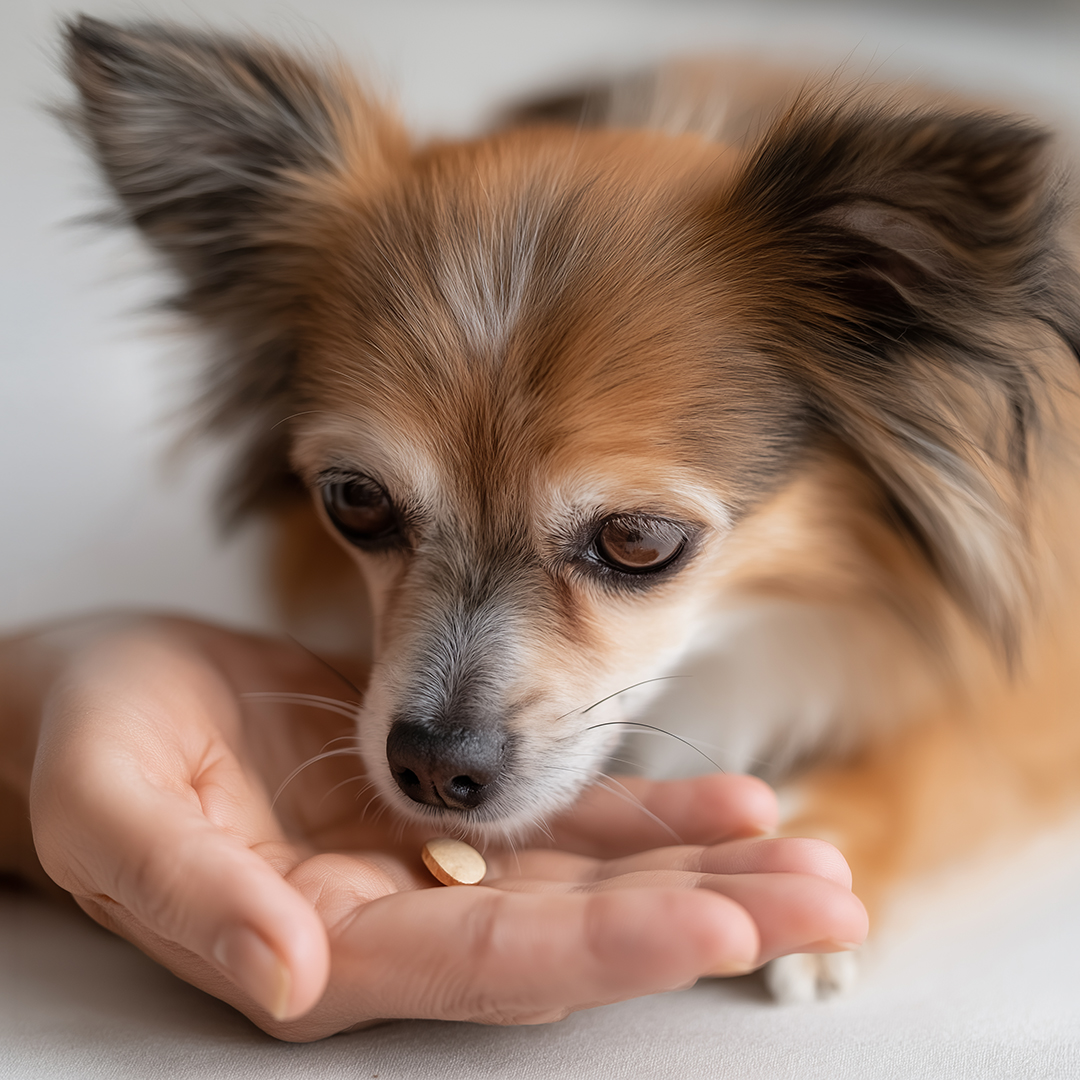
What is deworming for dogs? Symptoms, Schedule, and Care Tips every owner should know
What is deworming for dogs?
Deworming is the process of eliminating internal parasites commonly called worms from a dog’s digestive system using veterinarian-recommended medications. These parasites quietly steal nutrients, weaken immunity, and can seriously impact your dog’s growth, energy levels, and overall health if left untreated.
Understanding the symptoms of parasites in dogs, following the correct deworming schedule for dogs, and maintaining hygiene can prevent long-term complications.
This guide explains everything dog owners need to know clearly, safely, and practically.
Why deworming is essential for dogs (Not Optional)
Worm infestations are not just a “puppy problem.” Dogs of all ages can carry parasites, sometimes without obvious signs.
Internal worms can:
- Cause malnutrition even when your dog eats well
- Weaken immunity and delay recovery from illness
- Trigger vomiting, diarrhoea, and weight loss
- In rare cases, they may spread to humans.
If you’re building a foundation for preventive health, this ties closely with routine care explained in our dog care tips for health and happiness, which highlight why parasite control is a lifelong responsibility.
Common Types of Worms Found in Dogs
Knowing what you’re treating helps you understand why regular deworming matters.
1. Roundworms
- Most common in puppies
- Transmitted from mother to pup or via the ingestion of infective eggs from contaminated soil
- Can cause pot-bellied appearance and poor growth
2. Hookworms
- Ingestion of infective larvae from the environment or penetration through the skin
- Feed on blood which leads to anaemia
- Common in Indian climates
3. Tapeworms
- Often spread through fleas
- Visible as rice-like segments in stools or near the anus
4. Whipworms
- Affect the large intestine
- Cause chronic diarrhoea and weight loss
Dogs that frequently walk outdoors, sniff soil, or interact with other animals face higher exposure risks, similar to those discussed in our guide on monsoon pet care tips for Indian households.
Symptoms of Worms in Dogs You Should Never Ignore
Many owners miss early signs because symptoms appear gradually.
Common symptoms of parasites in dogs:
- Weight loss despite normal appetite
- Pot-bellied appearance (especially in puppies)
- Dull coat and low energy
- Diarrhoea or loose stools
- Vomiting (sometimes with visible worms)
- Scooting or licking the anal region
- Bloated abdomen
- Pale gums (sign of anaemia)
Deworming Schedule: When to Dose?
Stick to this vet-recommended timeline to prevent re-infestation.
| Life Stage | Frequency | Why It Matters |
|---|---|---|
| 2 Weeks Old (Puppy) | First Dose | High risk from mother’s milk transmission |
| 2–12 Weeks (Puppy) | Every 2 Weeks | Immature immunity + rapid parasite multiplication |
| 3–6 Months (Puppy) | Once Monthly | Growing digestive system remains vulnerable |
| >6 Months/ Adult Dogs | Every 3 Months | Prevent reinfestation from soil, parks, fleas |
| High-Exposure Dogs | As advised by vet | Outdoor dogs face higher parasite load |
Your veterinarian may adjust this schedule based on stool test results, lifestyle, and regional parasite risk, similar to how vaccinations are customised in the complete dog vaccination schedule every owner needs.
How Deworming Works (What to Expect)
Deworming medicines:
- Paralyse or kill internal worms
- Allow them to pass naturally through stools
- May cause mild loose stools for 24 hours (this is normal)
Important: Never give human medication or guess dosages. Incorrect deworming can harm your dog.
Post-Deworming Gut Recovery
Heavy worm infestations damage the intestinal lining (villi), reducing nutrient absorption.
After deworming, feed Drools Vet Pro Gastrointestinal. It provides easily digestible nutrients, prebiotics (MOS & FOS), and probiotics that help repair the gut lining, restore healthy digestion, and support nutrient absorption during recovery.
Always follow your veterinarian’s feeding guidance, especially for puppies or severely affected dogs.
Care Tips After Deworming Your Dog
Proper care prevents re-infestation.
1. Maintain Hygiene
- Clean bedding regularly
- Wash food and water bowls daily
- Dispose of stools safely
2. Control Fleas
Tapeworms often spread through fleas. If your dog scratches frequently, it is important to identify early skin issues and treat flea infestations promptly.
3. Avoid Unsafe Treats
Avoid feeding raw scraps or contaminated leftovers. Portion control and clean feeding habits matter, as explained in how many treats to feed a dog safely.
4. Keep Outdoor Exposure in Check
Parks, muddy areas, and shared spaces increase exposure, especially during monsoon and summer months.
When to Visit a Veterinarian Immediately
Seek professional care if:
- Worms are visible repeatedly in stool or vomit
- Severe diarrhoea or blood appears
- Puppy becomes weak or lethargic
- Weight loss continues after deworming
- Your dog shows signs of dehydration
Frequently Asked Questions (FAQs)
1. What is deworming for dogs?
Deworming is the medical process of eliminating internal parasites using vet-approved medication.
2. How often should dogs be dewormed?
Puppies require frequent doses, while adult dogs are usually dewormed every three months.
3. Are parasites dangerous for puppies?
Yes. Parasites can cause anaemia, delayed growth, and even death if untreated.
4. Can parasites spread to humans?
Some parasites are zoonotic. Good hygiene and regular deworming reduce risk.
Conclusion
Understanding what deworming is for dogs is one of the most important steps in responsible pet parenting. Worms often go unnoticed until they cause visible damage, but with timely treatment, correct scheduling, and preventive care, they are entirely manageable.
By recognizing early symptoms of worms in dogs, following a vet-approved deworming schedule for dogs, and maintaining hygiene and nutrition, you protect not just your dog but your entire household.
Preventive care today ensures a healthier, happier life tomorrow.