
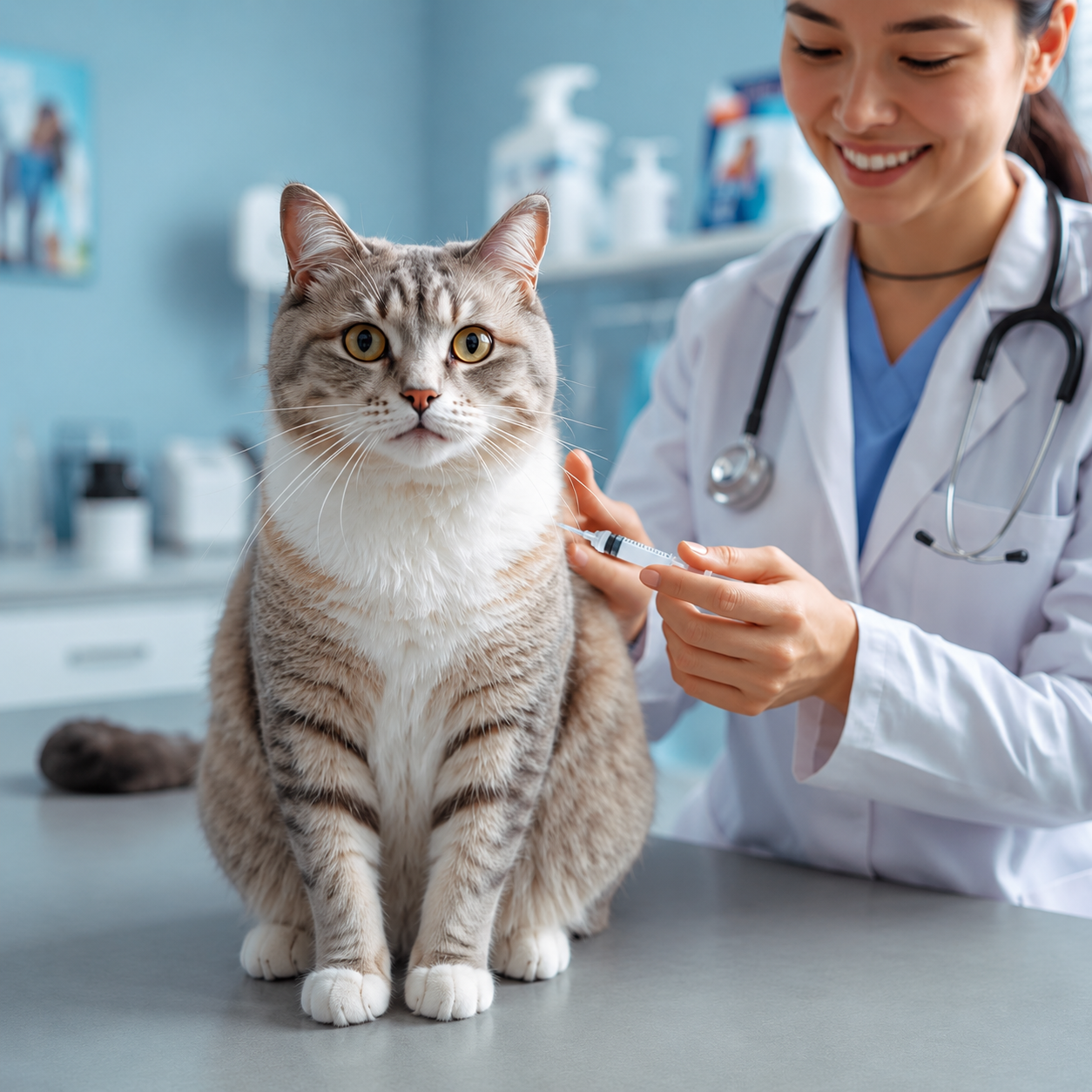
Cat Vaccination Schedule in India (2026): Complete Guide for Kittens & Adult Cats
Vaccinating your cat is one of the most important steps in protecting it from serious and life-threatening diseases. Whether you have a kitten or an adult cat, following the right cat vaccination schedule in India ensures long-term health, strong immunity, and reduced risk of infections.
This guide explains the complete vaccination timeline, mandatory vaccines in India, costs, and what every cat owner should know.
At what age should a kitten be vaccinated?
Kittens should receive their first vaccination at 6-8 weeks of age, followed by booster doses every 3-4 weeks until they are 16 weeks old. Rabies vaccination is typically given between 12 and 16 weeks.
Which vaccines are mandatory for cats in India?
The core vaccines for cats in India include rabies and FVRCP (feline distemper combination), which protect against serious and often fatal diseases.
Why Vaccinations Are Important for Cats
Vaccines train your cat’s immune system to recognise and fight dangerous pathogens before they cause illness.
Key benefits include:
- Protection against fatal diseases
- Stronger immune defense
- Reduced spread of infections
- Longer life expectancy
- Protection even for indoor cats
Indoor cats are not completely safe, viruses can enter homes through shoes, visitors, other pets, or contaminated objects.
Core and Non-Core Cat Vaccines Explained
Not all vaccines are the same. They are categorised based on necessity.
Core Vaccines (Essential for All Cats)
Rabies Vaccine
Mandatory in many regions; protects against a fatal viral disease transmissible to humans.
FVRCP Vaccine (3-in-1)
Protects against three major diseases:
- Feline Viral Rhinotracheitis (herpesvirus)
- Calicivirus
- Panleukopenia (feline distemper)
These infections can be severe or deadly, especially for kittens.
Non-Core Vaccines (Lifestyle-Based)
FeLV (Feline Leukemia Virus)
Recommended for outdoor cats or multi-cat households.
Chlamydia Vaccine
Used in environments with higher respiratory infection risk.
Cat Vaccination Rules in India
- Rabies vaccination is mandatory in most regions
- Annual or periodic boosters are recommended
- High stray animal exposure increases infection risk
- Indoor cats are also vulnerable to viruses brought from outside
Veterinary Insight: Even indoor cats in Indian households require vaccination due to environmental exposure.
Kitten Vaccination Schedule (Detailed Chart)
Kittens need a series of doses because maternal antibodies fade gradually.
| Age | Vaccine |
|---|---|
| 6–8 weeks | First FVRCP |
| 9–12 weeks | FVRCP booster |
| 12–16 weeks | Final FVRCP booster + Anti- Rabies vaccine |
| 16+ weeks | Anti-Rabies booster |
| Annually | Final FVRCP booster + Anti- Rabies Booster shots |
Adult Cat Vaccination Schedule
Adult cats also require ongoing protection.
Typical booster plan:
- FVRCP: Annually
- Rabies: As per local regulations (usually annually or triennially)
What Happens If You Skip Cat Vaccinations
Skipping vaccines exposes your cat to preventable diseases that can be severe or fatal.
Risks include:
- Highly contagious infections
- Expensive emergency treatment
- Long-term health complications
- Risk to other pets
- Zoonotic diseases (spread to humans)
Some diseases progress rapidly and show symptoms only in advanced stages.
What If You Miss a Cat Vaccine?
If a vaccine is delayed, consult a veterinarian as soon as possible. In most cases, the schedule can continue without restarting, but delays may reduce immunity.
Are Vaccines Safe for Cats?
Yes, modern cat vaccines are generally safe and rigorously tested.
Mild side effects may include:
- Temporary lethargy
- Slight fever
- Reduced appetite
- Tenderness at injection site
Serious reactions are rare. Most cats recover within 24-48 hours.
Care After Cat Vaccination
- Mild fever or lethargy is normal
- Ensure hydration
- Avoid stress or travel
- Monitor for swelling or unusual reactions
Seek veterinary help if symptoms persist beyond 48 hours.
Cost of Cat Vaccination in India
Vaccination costs vary by city, clinic, and vaccine type.
Approximate range:
- FVRCP vaccine: ₹700 – ₹1,500
- Rabies vaccine: ₹300 – ₹800
- FeLV vaccine: ₹1,000 – ₹2,000
Many clinics offer package plans for kittens.
How Nutrition Supports Immunity in Cats
A strong immune system improves vaccine effectiveness and recovery. Proper nutrition before and after vaccination helps the body produce antibodies and reduces the risk of complications.
Vaccines work best when your cat’s immune system is strong. Nutrition plays a crucial role in antibody production and recovery.
A balanced diet plays a key role in supporting your cat’s immune system. High-quality cat food with essential nutrients helps maintain overall health, especially during vaccination phases.
Signs of low immunity in cats
- Frequent infections
- Slow wound healing
- Lethargy
- Poor appetite
- Weight loss
Consult a vet if these symptoms persist.
Tips to Keep Your Cat Healthy Beyond Vaccination
Vaccines are only one part of preventive care.
Support overall health by:
- Maintaining clean living spaces
- Providing fresh water daily
- Feeding a nutritionally balanced diet
- Regular grooming
- Parasite control
- Mental stimulation and play
When to Visit a Qualified Animal Care Professional
Seek professional guidance if your cat shows:
- Persistent lethargy
- Loss of appetite
- Vomiting or diarrhoea
- Swelling at injection site beyond 48 hours
- Breathing difficulty
- Behaviour changes
Early attention prevents complications and ensures proper care.
If you need to transition diets during recovery, knowing how to find Drools near you can help you access suitable food quickly.
Frequently Asked Questions
What happens if I delay a booster?
Delaying a booster may reduce immunity. Consult a veterinarian to resume the schedule safely without leaving your cat unprotected.
What are the must vaccines for cats?
Rabies and FVRCP are considered essential for all cats, regardless of whether they live indoors or outdoors.
How many vaccines are needed for cats?
Kittens typically require 3-4 initial doses followed by annual or periodic boosters throughout adulthood.
Should You Vaccinate an Indoor Cat?
Yes. Even indoor cats need vaccination because viruses can enter your home through shoes, visitors, or other pets. Rabies vaccination is especially important due to its fatal nature.
Can indoor cats skip vaccination?
No, indoor cats are still at risk because viruses can enter homes through shoes, visitors, or other pets.
Is vaccination painful for cats?
Vaccination causes only mild discomfort similar to a quick injection. Most cats recover immediately, though slight soreness at the injection site may occur.
Can I vaccinate my cat at home?
Vaccination should be administered by a qualified professional to ensure correct dosage, storage, and safety.
What age is too late to vaccinate a cat?
There is no strict upper age limit, older cats can still benefit from vaccination based on health status.
How long do vaccines last?
Most cat vaccines provide protection for 1–3 years depending on the vaccine type, your cat’s health, and veterinary recommendations.
What is the 3 in 1 vaccine for cats?
The 3-in-1 (FVRCP) vaccine protects against rhinotracheitis, calicivirus, and panleukopenia.
What to feed after vaccination?
Offer easily digestible, high-quality food and ensure plenty of fresh water. Appetite may decrease temporarily, so smaller frequent meals can help.
Final Thoughts
Following the correct cat vaccination schedule is one of the most powerful ways to protect your pet from serious illness. Combined with proper nutrition, hygiene, and routine care, vaccinations help ensure your cat lives a long, healthy, and happy life.
Reviewed by: Dr Ameer Suhail (Qualified Veterinary Professional)
Last Updated: 2026
Disclaimer: This content is for informational purposes only and does not replace professional veterinary advice.