Siberian Cat Breed Guide: Personality, Size, Lifespan, Care & More
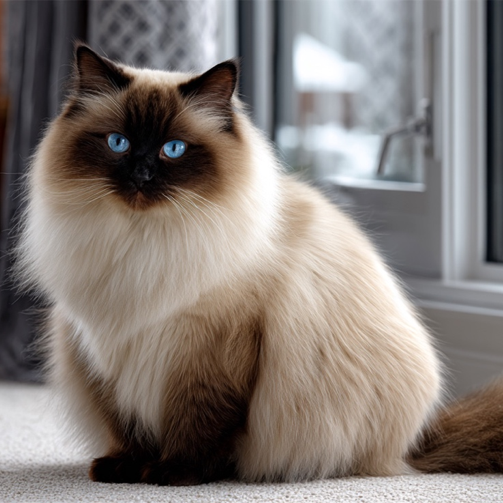
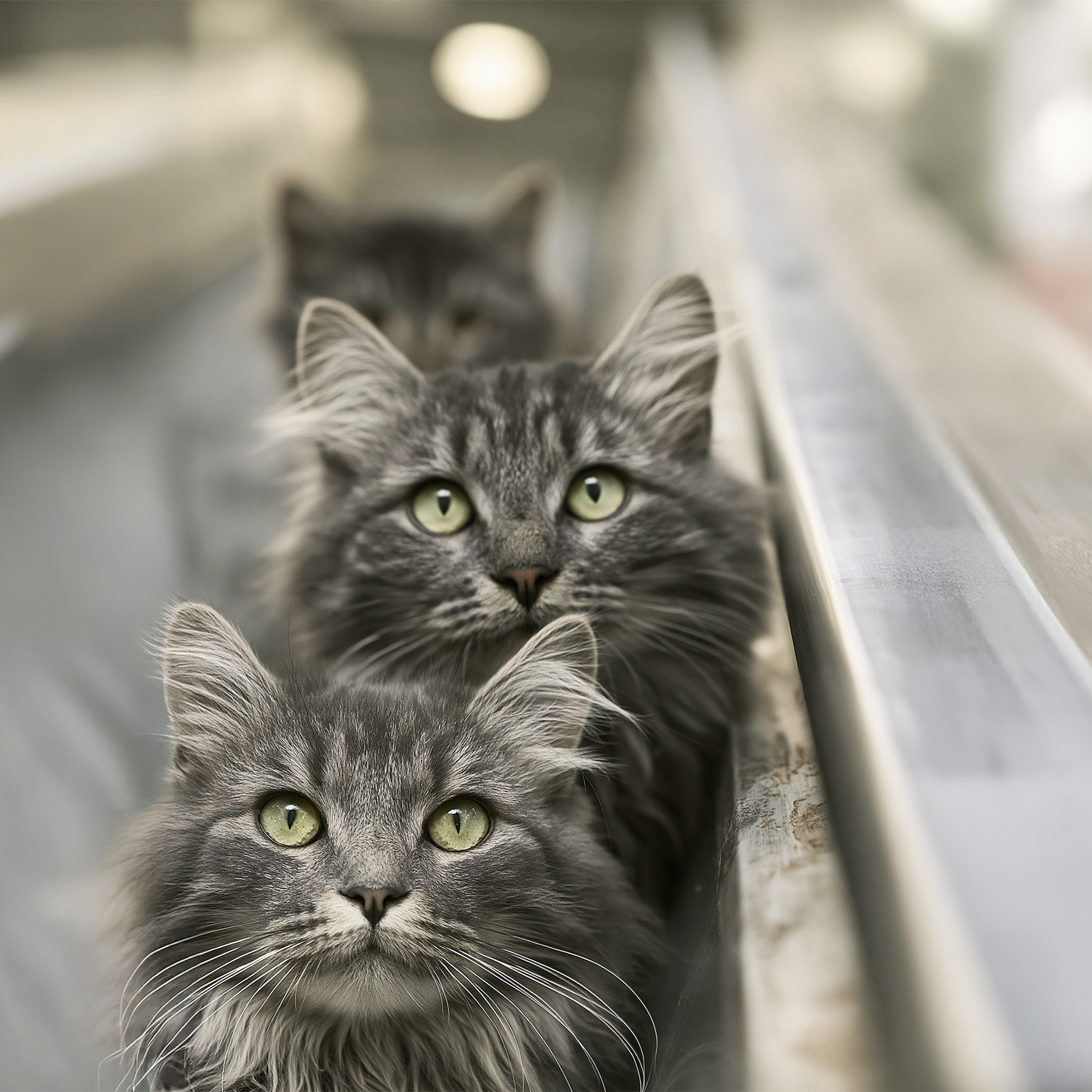
The Siberian cat breed is a strong, affectionate and playful natural breed from Russia, known for its powerful build, expressive face and thick triple coat. Despite its rugged appearance, the Siberian is typically people-oriented and enjoys being involved in family life.
Siberians are medium-to-large cats that mature slowly, sometimes taking several years to reach their full size and coat development. They need regular play, weekly grooming, balanced nutrition and routine veterinary care.
Medically Reviewed By: Dr. Ameer Suhail
Reviewed On: Sep 18
Editorial Review: Drools Pet Nutrition Team
Siberian Cat at a Glance
| Characteristic | Siberian Cat |
|---|---|
| Origin | Russia |
| Size | Medium to large |
| Male weight | About 5.4–8.2 kg |
| Female weight | About 3.6–5.4 kg |
| Coat | Dense triple coat |
| Personality | Affectionate, playful, intelligent |
| Lifespan | Around 11–18+ years |
| Grooming | Weekly; more during seasonal shedding |
| Shedding | Seasonal; heavier in spring and autumn |
| Activity level | Moderate to high |
| Exercise needs | Daily interactive play, climbing and enrichment |
| Child friendliness | Generally good with respectful children |
| Other-pet compatibility | Generally good with compatible pets when introduced gradually |
| Key health consideration | HCM screening and heart health |
CFA describes mature males at roughly 12–18 lb and females at 8–12 lb, while both CFA and TICA note that Siberians are unusually slow to mature.
What Is the Siberian Cat Personality Like?
The typical Siberian cat personality is affectionate, playful, intelligent and confident. These cats often enjoy following family members, exploring their surroundings and participating in interactive games while remaining less demanding than some highly people-dependent breeds.
TICA describes Siberians as lively yet affectionate, while CFA notes that they generally get along well with children, dogs and other animals when appropriately introduced.
Their intelligence and athleticism mean they benefit from climbing structures, puzzle feeders, wand toys and short training sessions.
How Big Does a Siberian Cat Get?
Siberian cats are medium-to-large, muscular cats with substantial bone and a rounded body. Mature males commonly weigh about 5.4–8.2 kg, while females are usually smaller at approximately 3.6–5.4 kg.
Siberians can continue developing for several years. TICA notes that they may take up to five years to reach full maturity, so a young Siberian kitten can look noticeably less substantial than a mature adult.
How Should You Care for a Siberian Kitten?
A Siberian kitten needs complete kitten nutrition, regular play, early grooming practice, safe climbing opportunities and routine veterinary care. Because the breed matures slowly, growth should be monitored through body condition rather than encouraging the kitten to become heavy quickly.
Introduce brushing, nail handling, tooth care and carrier training while the kitten is young. Siberians are intelligent and adventurous, so secure windows, balconies and unstable furniture before allowing unrestricted exploration.
How Much Grooming Does a Siberian Cat Need?
Most Siberian cats need brushing at least once a week, with more frequent grooming during seasonal shedding. Their dense triple coat can develop tangles or mats, particularly around the underside, tail and longer areas of fur.
The coat becomes fuller in colder conditions and sheds more heavily during seasonal changes. TICA recommends weekly coat care, with additional grooming useful when the heavier winter coat is being shed.
Routine care should also include nail trimming, dental hygiene and ear checks.
What Health Problems Can Siberian Cats Develop?
Siberians are generally considered a healthy breed, but hypertrophic cardiomyopathy, or HCM, is an important condition to discuss with a veterinarian or breeder. Maintaining a healthy weight and attending routine veterinary examinations also support long-term health.
HCM causes abnormal thickening of the heart muscle and may initially produce no obvious symptoms. Possible signs can include lethargy, reduced appetite or breathing difficulty. TICA recommends that Siberians be checked for HCM, while routine veterinary assessment and responsible breeder health screening can help identify potential concerns.
Seek urgent veterinary care if a cat develops difficulty breathing.
What Should You Feed a Siberian Cat?
A Siberian cat should receive complete and balanced food appropriate for its life stage, body condition and activity level. Measured meals help prevent excess weight, while Siberian kittens require food formulated to support growth and development.
Because Siberians are naturally broad and muscular, appearance alone can make weight assessment difficult. Monitor body condition and ask your veterinarian to adjust portions when necessary. WSAVA nutritional guidance supports individualised feeding based on life stage, body condition, muscle condition and health.
Fresh drinking water should always be available.
Are Siberian Cats Hypoallergenic?
No cat is completely hypoallergenic. Some Siberian cats may produce lower levels of the Fel d 1 allergen than some other cats, but individual allergen production varies and people with cat allergies can still react to a Siberian.
TICA notes the breed’s association with reduced Fel d 1, while veterinary guidance stresses that Siberians should not be considered guaranteed allergy-safe pets. Anyone with significant allergies should spend time around the individual cat before bringing it home.
Frequently Asked Questions
How Long Do Siberian Cats Live?
The typical Siberian cat lifespan is around 11–18 years or longer. Genetics, body condition, nutrition, indoor safety and preventive veterinary care all influence the lifespan of an individual cat.
Are Siberian Cats Good Family Pets?
Yes. Siberians are generally affectionate, playful and adaptable cats that can live successfully with children and other pets when introductions are gradual and interactions are respectful.
Can Siberian Cats Live in Apartments?
Yes. Siberian cats can adapt well to apartment living when they have enough vertical space, climbing structures, scratching posts and daily interactive play. Their athletic nature means regular enrichment is important even when they live entirely indoors.
How Much Exercise Do Siberian Cats Need?
Siberian cats need daily activity, ideally through several short play sessions combined with climbing and exploration. Wand toys, puzzle feeders, scratching posts and cat trees can help meet their physical and mental needs. Exercise should be adjusted for age and health.
Are Siberian Cats High Maintenance?
Siberians are moderately demanding rather than extremely high maintenance. They need regular grooming, interactive play, environmental enrichment and routine healthcare, but their coat often requires less daily maintenance than some other long-haired breeds.
Final Thoughts
The Siberian cat breed combines an impressive, powerful appearance with an affectionate and playful personality. Its intelligence and social nature make it a rewarding companion for households able to provide interaction, climbing opportunities and regular grooming.
With balanced nutrition, appropriate weight management, preventive veterinary care and attention to heart health, a Siberian can remain an active family companion for many years.
This article provides general educational information and does not replace advice, diagnosis or treatment from a qualified veterinarian.
References
- The International Cat Association (TICA). Siberian Breed Profile.
- The Cat Fanciers’ Association (CFA). Siberian Breed Profile.
- Cornell University College of Veterinary Medicine. Hypertrophic Cardiomyopathy in Cats.
- World Small Animal Veterinary Association (WSAVA). Global Nutrition Guidelines.
- Sartore S, Landoni E, Maione S, et al. Polymorphism Analysis of Ch1 and Ch2 Genes in the Siberian Cat. Veterinary Sciences. 2017;4(4):63. doi:10.3390/vetsci4040063.