
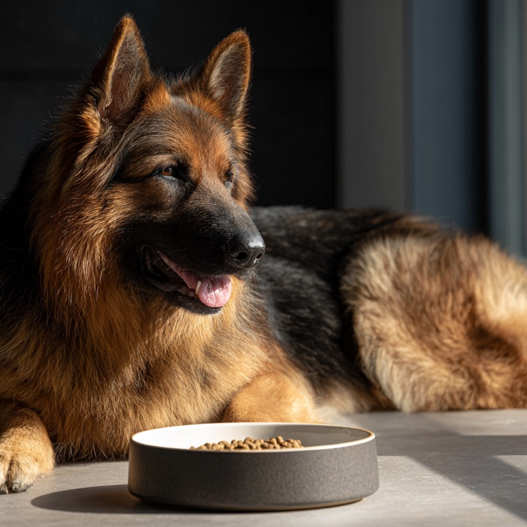
German Shepherd Health Problems: Signs, Prevention & Nutrition Tips
German Shepherds are intelligent, active and athletic dogs, but they can be predisposed to certain joint, neurological, digestive, skin and eye conditions. Common German Shepherd health problems include hip and elbow dysplasia, degenerative myelopathy, gastric dilatation-volvulus, exocrine pancreatic insufficiency, skin allergies, perianal fistulas and pannus.
Not every German Shepherd will develop these conditions. Genetics influence many breed-related risks, while body weight, nutrition, exercise and preventive veterinary care can affect a dog’s comfort and overall health.
Recognising signs such as stiffness, hind-leg weakness, unexplained weight loss, chronic itching or a swollen abdomen can help pet parents seek veterinary care sooner.
For information about the breed’s temperament, lifespan, exercise requirements and everyday needs, read this complete German Shepherd food and care guide.
Written by:Dr. Nikhil Mehta
Reviewed on: Sep 25
Common German Shepherd Health Problems at a Glance
| Condition | Signs to watch for | Recommended action |
|---|---|---|
| Hip dysplasia | Stiffness, limping, difficulty rising | Veterinary joint examination |
| Elbow dysplasia | Front-leg lameness, reduced movement | Veterinary examination |
| Degenerative myelopathy | Paw scuffing, wobbling, hind-leg weakness | Neurological assessment |
| Bloat or GDV | Swollen abdomen, drooling, unsuccessful retching | Immediate emergency care |
| EPI | Weight loss despite hunger, bulky stools | Veterinary blood testing |
| Skin allergies | Itching, paw licking, redness, ear problems | Skin and ear examination |
| Perianal fistulas | Pain while passing stool, discharge | Prompt veterinary care |
| Pannus | Redness, pigmentation or tissue over the eye | Veterinary eye assessment |
Signs a German Shepherd Is Sick
A German Shepherd may be unwell when there is a persistent change in movement, appetite, weight, digestion, skin, ears, breathing or normal behaviour.
Watch for persistent limping, difficulty rising, hind-leg weakness, unexplained weight loss, chronic diarrhoea, repeated vomiting, excessive itching, recurrent ear problems, reduced appetite or unusual tiredness.
A swollen abdomen with repeated unsuccessful attempts to vomit is an emergency and may indicate gastric dilatation-volvulus.
1. Hip and Elbow Dysplasia in German Shepherds
Hip and elbow dysplasia are developmental joint conditions that can cause pain, arthritis and reduced mobility in German Shepherds. Genetics are important, while rapid growth, excess calories and body weight can influence stress on developing joints.
Signs may include stiffness after rest, difficulty rising, limping, reluctance to climb stairs or exercise, bunny hopping and reduced mobility.
Veterinary examination and appropriately positioned X-rays may be needed for diagnosis. Choosing puppies from health-screened parents, feeding for controlled large-breed growth and maintaining a lean body condition can support joint health.
Do not add calcium, vitamin D or bone meal to a complete large-breed puppy diet unless recommended by a veterinarian.
2. Degenerative Myelopathy
Degenerative myelopathy is a progressive spinal cord disease that can cause paw scuffing, wobbling, incorrect paw placement and worsening hind-leg weakness. German Shepherds can be genetically predisposed to the condition.
Similar signs may also occur with hip dysplasia, arthritis, spinal disease or nerve injury. Diagnosis therefore requires neurological assessment and tests to exclude other causes. Genetic testing may indicate increased risk but does not confirm that a dog currently has the disease.
Nutrition cannot prevent or cure degenerative myelopathy. Weight management, rehabilitation, non-slip flooring, support harnesses and mobility aids may help maintain comfort and independence after diagnosis.
3. Exocrine Pancreatic Insufficiency
Exocrine pancreatic insufficiency, or EPI, occurs when the pancreas does not produce enough digestive enzymes. German Shepherds have an important breed association with the condition.
Typical signs include weight loss despite a strong appetite, frequent bulky or loose stools, excessive gas and poor body condition. Diagnosis requires veterinary testing, and affected dogs commonly need pancreatic enzyme replacement alongside appropriate nutritional management.
4. Gastric Dilatation-Volvulus or Bloat
Gastric dilatation-volvulus, or GDV, is a life-threatening emergency in which the stomach expands and may twist.
Warning signs include a swollen abdomen, repeated unsuccessful retching, excessive drooling, restlessness, weakness or collapse. Seek emergency veterinary care immediately rather than waiting for symptoms to improve.
No feeding routine can guarantee prevention. A veterinarian may discuss measured meals, slower eating and preventive gastropexy for dogs considered at particularly high risk.
5. Skin Allergies and Ear Problems
German Shepherds may develop allergic skin disease linked to environmental allergens, flea bites or food-related reactions. Signs can include persistent itching, paw licking, redness, hair loss, skin odour, head shaking and ear discharge.
Secondary bacterial or yeast infections can worsen affected skin. Persistent or recurring problems should be diagnosed by a veterinarian rather than managed through repeated food changes, human creams or leftover ear medicines.
6. Other Breed-Related Conditions
German Shepherds may also develop perianal fistulas and pannus. Perianal fistulas can cause painful sores, discharge or discomfort while passing stool, while pannus affects the cornea and may cause redness, pigmentation or changes in vision. Both require veterinary assessment.
German Shepherd Health Problems by Age
| Life stage | Health areas to monitor |
|---|---|
| Puppy | Hip and elbow development, controlled growth, parasites and digestion |
| Adult | Skin and ear problems, EPI, body weight and bloat awareness |
| Senior | Arthritis, mobility loss, degenerative myelopathy and muscle loss |
Persistent lameness in a puppy or new hind-leg weakness in an older German Shepherd should be investigated rather than assumed to be normal growth or ageing.
German Shepherd Health Problems in India
German Shepherds in India have the same underlying breed-related health risks as dogs elsewhere, but heat, humidity, parasites and seasonal conditions can influence everyday health management. Hydration, parasite prevention, coat care and exercise timing are particularly important in many Indian climates.
German Shepherd skin problems in India
Hot, humid or wet conditions can worsen skin irritation in dogs already affected by allergies or parasites. During the monsoon, dry the coat thoroughly after wet walks and check the paws, ears and skin regularly. Persistent itching, odour, sores or hair loss requires veterinary assessment.
German Shepherd care in Indian weather
Schedule exercise during cooler mornings or evenings in hot weather and provide constant access to fresh water, shade and good ventilation. Avoid strenuous activity during peak heat.
German Shepherds have a double coat. Regular brushing helps remove loose undercoat, while routine full-body shaving is not necessary simply for summer heat management.
German Shepherd Diet in India
A German Shepherd diet in India should be complete and balanced and selected according to life stage, activity, body condition, digestive tolerance and diagnosed health needs.
German Shepherd puppy diet in India
German Shepherd puppies should receive food appropriate for controlled large-breed growth. Measure portions, monitor body condition and avoid encouraging rapid weight gain.
Adult and senior portions should reflect activity, body condition, muscle condition and health. Dogs with EPI require appropriate veterinary treatment alongside nutrition, while keeping dogs lean can reduce unnecessary load on painful joints.
How to Reduce German Shepherd Health Risks
Choose puppies from health-screened parents, support controlled growth, maintain a lean body condition and provide age-appropriate exercise. Continue appropriate parasite prevention and seek veterinary care for persistent mobility, digestive, skin, ear or eye changes.
When Should a German Shepherd See a Veterinarian?
Arrange veterinary assessment for persistent limping, difficulty rising, hind-leg weakness, chronic diarrhoea, unexplained weight loss, recurring skin or ear problems, eye changes or pain while passing stool.
Seek emergency care for a swollen abdomen with unsuccessful retching, collapse, difficulty breathing, pale or blue gums, sudden inability to walk, repeated seizures or severe bleeding.
Frequently Asked Questions
What are the most common German Shepherd health problems?
Common concerns include hip and elbow dysplasia, degenerative myelopathy, EPI, GDV or bloat, allergic skin disease, perianal fistulas and pannus.
What are the first signs of hip dysplasia in a German Shepherd?
Signs may include stiffness after rest, difficulty rising, limping, reduced willingness to exercise and bunny hopping while running. Veterinary examination and X-rays may be required for diagnosis.
Why is my German Shepherd losing weight despite eating?
EPI is one possible cause, particularly when weight loss occurs alongside a strong appetite and bulky or loose stools. Other digestive or metabolic conditions can cause similar signs, so veterinary testing is important.
Are German Shepherds prone to bloat?
German Shepherds are large, deep-chested dogs in which GDV is an important emergency concern. A swollen abdomen, drooling and repeated unsuccessful attempts to vomit require immediate veterinary care.
Final Thoughts
Understanding German Shepherd health problems can help pet parents recognise warning signs before a condition becomes advanced.
Joint stiffness, hind-leg weakness, unexplained weight loss, persistent itching and digestive changes should not be dismissed as normal breed characteristics. A swollen abdomen accompanied by unsuccessful retching is an immediate emergency.
Responsible breeding, controlled growth, balanced nutrition, appropriate exercise, healthy weight and preventive veterinary care support long-term wellbeing.
This article is intended for general educational purposes and is not a substitute for examination, diagnosis or treatment by a qualified veterinarian.