Pomeranian Dog Breed Guide: Personality, Health, Diet & Care Tips
Quick Overview
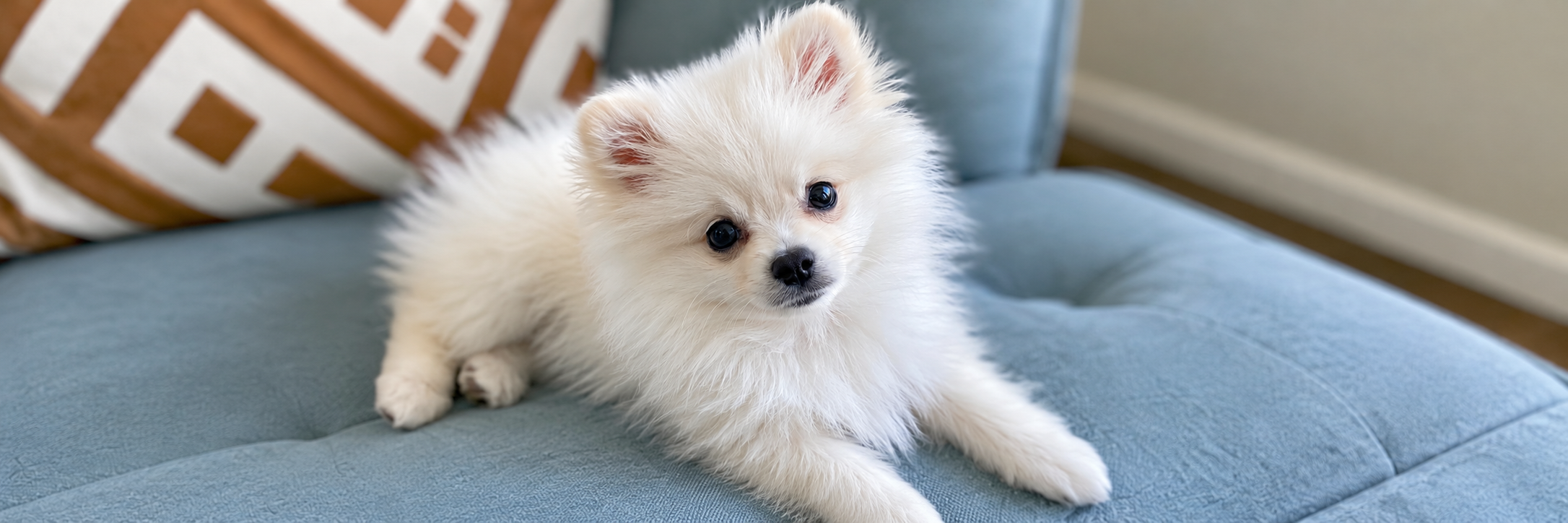
The Pomeranian is a confident, lively toy dog breed, typically weighing about 1.4 – 3.2 kg, famous for its fluffy double coat, erect ears and fox-like expression. Pomeranians are compact enough for apartment living and usually need short daily walks, indoor play, regular grooming and carefully portioned nutrition.
Whether you are considering bringing home a Pomeranian puppy in India or caring for an adult dog, this guide covers temperament, grooming, common health concerns, pricing and life-stage nutrition.
Medically Reviewed By: Dr. Ameer Suhail
Reviewed On: 27-11-2026
Editorial Review: Drools Pet Nutrition Team
Pomeranian Characteristics at a Glance
| Characteristic | Pomeranian |
|---|---|
| Size | Toy |
| Weight | About 1.4–3.2 kg |
| Lifespan | 12–16 years |
| Coat | Dense double coat |
| Personality | Lively, curious, bold and affectionate |
| Exercise | Short daily walks plus indoor play |
| Grooming | Moderate to high |
| Apartment suitability | Very good with training |
The AKC describes the breed as lively, inquisitive and bold, with a life expectancy of approximately 12–16 years.
What Is a Pomeranian’s Personality Like?
Pomeranians are intelligent, alert and confident companion dogs that often behave as though they are much larger than they really are. They enjoy attention, games and learning, but their alert nature can also lead to frequent barking without consistent training and socialisation.
Positive-reinforcement training works well. A Pomeranian’s behaviour is also shaped by everyday interactions, training consistency and the responses they receive from their owners. Understanding how your behaviour affects your dog can help you build positive habits and encourage better socialisation.
Begin socialisation early and teach calm behaviour around doorbells, visitors, other dogs and apartment corridors.
Because Pomeranians are physically small and delicate, interactions with young children should be supervised. Rough handling or accidental falls can cause injury.
How Much Exercise Does a Pomeranian Need?
Pomeranians are energetic but do not need long-distance exercise. Short walks, indoor play, puzzle toys and brief training sessions can provide appropriate physical and mental stimulation. Short training sessions can also help keep Pomeranians mentally stimulated. Using occasional dog biscuits as training rewards can make learning basic commands and good behaviour more engaging.
During hot Indian weather, walk your dog during cooler morning or evening hours and provide a cool, well-ventilated indoor environment. Air conditioning may be useful during extreme heat, particularly in hotter cities, but the priority is preventing overheating and avoiding strenuous activity during peak temperatures.
Pomeranian Grooming: How Often Should You Brush Them?
Pomeranian grooming should include brushing at least two or three times a week, with daily brushing during periods of heavier shedding. Their long, dense double coat can develop tangles and mats when loose undercoat is not removed regularly.
A simple routine includes:
- Brushing through the coat gently
- Checking behind the ears and under the legs for mats
- Bathing when genuinely needed
- Keeping nails trimmed
- Checking ears after bathing
- Brushing the teeth regularly
- Watching the skin for redness, flakes or hair loss
Avoid repeatedly shaving a healthy Pomeranian’s double coat purely to manage summer heat. Discuss major coat trimming with a veterinarian or experienced groomer.
Common Pomeranian Health Problems
Pomeranians can live long lives, but pet parents should watch for several conditions associated with small dogs.
Patellar Luxation
The kneecap may slip out of its normal position, causing intermittent skipping, limping or an abnormal hind-leg stance. Veterinary assessment is recommended when these signs appear.
Collapsing Trachea
Pomeranians are among the small breeds at risk of tracheal collapse. A dry, goose-honk-like cough is a typical warning sign. A harness may be preferable to putting pressure on the neck, particularly in an affected dog.
Eye Problems
Cataracts and abnormal eyelashes can occur. Redness, cloudiness, discharge or changes in vision should be examined by a veterinarian.
Dental Health
Small breeds can be more susceptible to dental crowding and plaque accumulation. Daily home dental care and veterinary dental checks can help maintain oral health.
Heart Health
Pomeranians may also be screened for heart conditions as part of responsible breeding and preventive care. Persistent coughing, reduced exercise tolerance, weakness, fainting or unusual breathing should be discussed with a veterinarian.
What Is the Best Food for a Pomeranian?
Food for a Pomeranian should be complete, balanced, appropriate for the dog’s life stage and fed in portions that maintain a healthy body condition. Puppies, adults and senior dogs have different nutritional needs, and very small puppies may require several meals throughout the day. Along with breed-appropriate dry food, pet parents can explore fresh food options for dogs to add variety to their Pomeranian’s meals while ensuring the overall diet remains complete and balanced.
Pomeranian Life-Stage Diet Guide
Puppy: Choose food formulated for growth and offer several appropriately sized meals. Small puppies have limited energy reserves and should not routinely miss meals.
Adult: Use measured portions of a complete adult diet. Treats, chews and toppers should be included when considering total daily calories.
Senior: Review calories, body condition, muscle mass, dental health and any medical conditions with your veterinarian rather than automatically reducing food because the dog is older. WSAVA recommends regular nutritional and body-condition assessment for individual pets.
Approximate Adult Calorie Starting Guide
| Healthy adult weight | Approx. starting calories/day* |
|---|---|
| 1.4 kg | 125–145 kcal |
| 2.0 kg | 165–190 kcal |
| 2.5 kg | 195–225 kcal |
| 3.2 kg | 235–270 kcal |
*These are general starting estimates for healthy adult dogs, calculated from standard resting-energy formulas and adult maintenance factors. Actual needs can be lower or higher depending on neuter status, activity, age and body condition. Use the food label and veterinary advice to convert calories into grams for the specific diet being fed.
Indian Pomeranian Price & Maintenance Cost (2026)
Pomeranian prices in India can vary considerably according to city, pedigree, registration, breeder practices, health screening and whether the puppy is intended as a companion or show dog. The figures below should therefore be treated as indicative market ranges rather than fixed prices.
| Category | Indicative 2026 range |
|---|---|
| Registered puppy from an established breeder | ₹20,000–₹60,000 |
| Pet store/local seller | Around ₹8,000–₹25,000 |
| Adoption/rescue | Often free to ₹5,000 adoption fee |
| Typical monthly upkeep | Around ₹4,000–₹7,000 |
Actual purchase and monthly care costs can differ substantially by location, breeder, diet, grooming needs and veterinary care. Adoption fees, when charged, generally contribute towards rescue, vaccination, sterilisation or other care costs rather than representing the commercial value of the dog.
Price should never be the only deciding factor. Ask about the puppy’s health records, parentage, living conditions, vaccination history and relevant health screening.
Difference Between Pomeranian and Indian Spitz
Pomeranians and Indian Spitz dogs are frequently confused in India, but they are not the same dog.
| Feature | Pomeranian | Indian Spitz |
|---|---|---|
| Body weight | About 1.4–3.2 kg | Generally larger and heavier than a Pomeranian |
| Coat | Very dense, profuse double coat | Dense double coat, usually less compact in appearance |
| Ears | Small, erect and set high | Larger, pointed and erect |
| Overall build | Compact toy dog | Small-to-medium Spitz type |
Frequently Asked Questions
How Long Do Pomeranians Live?
The average Pomeranian lifespan is 12 to 16 years. Longevity depends on genetics, healthy weight management, preventive dental care, appropriate nutrition and routine veterinary checkups. Monitoring breed-related concerns such as patellar luxation and tracheal collapse can support earlier diagnosis and treatment.
Are Pomeranians Suitable for Indian Apartments?
Yes. Pomeranians can be well suited to Indian apartments because of their compact toy size and manageable exercise needs. However, they need consistent training to manage alert barking and a cool indoor environment during hot weather; air conditioning may be necessary during periods of extreme summer heat.
How Often Should a Pomeranian Be Groomed?
Brush the coat at least two or three times weekly and more frequently during heavy shedding. Regular professional grooming can also help maintain the dense undercoat.
Is a Pomeranian a Good Family Dog?
Yes, when socialised and handled appropriately. Their tiny frame means interactions with young children should be supervised to prevent accidental injury.
How Many Times Should a Pomeranian Eat Each Day?
Puppies usually need multiple small meals, while healthy adults and seniors can commonly be fed two or three measured meals daily depending on their individual needs.
Final Thoughts
The Pomeranian dog breed combines a tiny frame with an energetic, confident personality. Successful Pomeranian care means balancing regular grooming, appropriate exercise, heat management, dental care, preventive veterinary checks and carefully portioned nutrition.
For Indian pet parents prepared to manage the coat, barking and small-dog health needs, the Pomeranian can be an adaptable apartment companion with a typical lifespan of 12–16 years.
This article is intended for general educational purposes and does not replace advice, diagnosis or treatment from a qualified veterinarian.