Maine Coon Cat: Size, Personality, Lifespan, Price & Care Guide
The Maine Coon is one of the world’s largest domestic cat breeds, admired for its gentle temperament, intelligence, and striking appearance. Adult males typically weigh 6–11 kg, while females weigh 4–8 kg, and they may continue growing until 4–5 years of age. They adapt well to Indian homes, however they do require regular grooming, proper nutrition, weight management, and routine veterinary care to stay healthy.
Maine Coon Cat at a Glance
| Trait | Details |
|---|---|
| Breed Type | Large domestic long-haired cat |
| Nickname | Gentle Giant |
| Male Weight | 6–11 kg |
| Female Weight | 4–8 kg |
| Maturity | Up to 4–5 years |
| Lifespan | 12–15 years |
| Temperament | Friendly, intelligent, playful |
| Grooming | Brush 2–4 times weekly |
| Common Health Issues | HCM, Hip Dysplasia, SMA, Obesity |
| Suitable for India | Yes, with proper grooming and heat management |
What Is a Maine Coon Cat?
The Maine Coon is one of the world’s largest recognised domestic cat breeds and is affectionately known as the “Gentle Giant”. Despite their impressive size, these cats are friendly, affectionate, and highly social. They enjoy spending time with their families, adapt well to homes with children and other pets, and often develop strong bonds with their owners.
Unlike many cat breeds that mature within two years, Maine Coons grow slowly and may continue developing until they are four to five years old. Their combination of intelligence, playful nature, and striking appearance makes them one of the most sought-after cat breeds worldwide.
Maine Coon Size: How Big Do They Get?
Size is one of the defining characteristics of the Maine Coon.
Adult males generally weigh between 6 and 11 kg, while females typically weigh 4 to 8 kg. Besides their weight, they are known for their long bodies, broad chests, muscular build, and bushy tails, often measuring over one metre from nose to tail.
Their slower growth rate also sets them apart from most domestic cats. Instead of reaching full maturity within one to two years, Maine Coons gradually develop muscle and bone structure over several years.
| Gender | Average Weight |
|---|---|
| Male | 6–11 kg |
| Female | 4–8 kg |
Their impressive size is influenced by several natural characteristics:
- Naturally large genetics
- Slow skeletal development
- Strong muscular frame
- Historical adaptation to colder climates
Because of their large body structure, maintaining a healthy weight throughout life is essential for supporting their joints and mobility.
Maine Coon Appearance
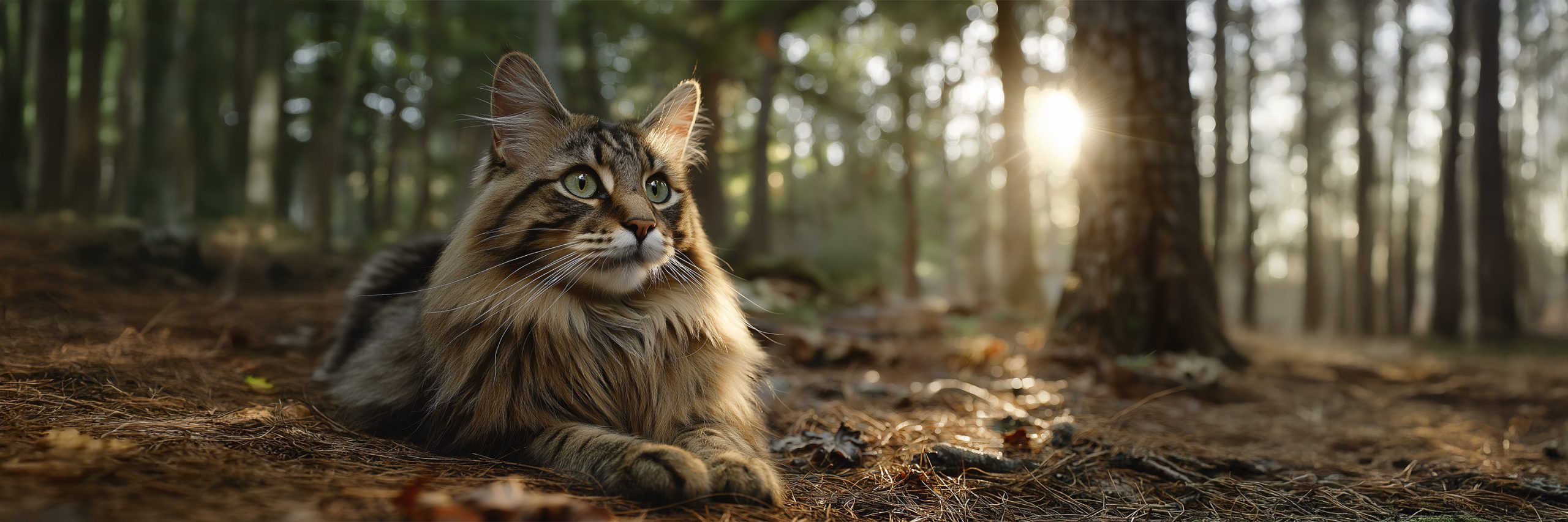
Maine Coons are easily recognised by their majestic appearance.
Their most distinctive features include:
- Large rectangular body
- Long, shaggy coat
- Bushy tail
- Tufted ears
- Large paws
- Thick neck ruff
- Strong muscular build
Their coats are available in a wide range of colours and patterns, including tabby, solid, smoke, tortoiseshell, and bi-colour combinations.
Maine Coon Cat Price in India
Approximate Maine Coon Price in India
| Type | Estimated Price |
|---|---|
| Pet-quality kitten | ₹40,000–₹80,000 |
| Registered breeder kitten | ₹80,000–₹1.5 lakh+ |
| Imported bloodline | ₹1.5–₹3 lakh+ |
The cost of a Maine Coon kitten in India depends on factors such as breeder reputation, bloodline, health screening, location, and availability.
Rather than choosing a kitten based only on price, look for responsible breeders who provide:
- Vaccination records
- Health certificates
- HCM and SMA screening
- Veterinary history
- Proper socialisation
A healthy, well-bred kitten
often saves significant medical expenses later in life.
Monthly Cost of Owning a Maine Coon
Owning a Maine Coon involves ongoing expenses beyond the initial purchase price.
| Expense | Estimated Monthly Cost |
|---|---|
| Food | ₹2,000–₹6,000 |
| Grooming | ₹500–₹2,000 |
| Litter | ₹1,000–₹3,000 |
| Veterinary care | Varies |
Actual costs depend on your cat’s age, health, diet, and lifestyle.
Maine Coon Personality
Maine Coons are famous not only for their size but also for their affectionate personality. They enjoy interacting with people without being overly demanding and often like following family members from room to room.
Common personality traits include:
- Gentle
- Intelligent
- Curious
- Loyal
- Playful
- Adaptable
Are Maine Coons Good Family Cats?
Yes. Their calm temperament makes them excellent companions for families.
They generally:
- Bond well with adults
- Get along with respectful children
- Adapt to homes with other cats
- Can live successfully with dogs when introduced gradually
Although sociable, they also appreciate quiet spaces where they can rest and observe their surroundings.
Maine Coon Behaviour and Enrichment
Maine Coons are intelligent cats that benefit from both physical activity and mental stimulation.
Daily enrichment helps prevent boredom and encourages healthy behaviour.
Provide your cat with:
- Cat trees
- Scratching posts
- Puzzle feeders
- Interactive toys
- Window perches
- Climbing structures
- Daily play sessions
Enrichment also supports physical fitness, especially for indoor cats.
Maine Coon Kitten Care Guide
Maine Coon kittens need consistent care during their extended growth period.
Nutrition
Feed a complete and balanced kitten diet designed to support healthy growth without encouraging excessive weight gain.
Socialisation
Introduce kittens to different people, sounds, and household experiences early to build confidence.
Grooming
Start brushing from a young age so grooming becomes a comfortable routine.
Veterinary Care
Routine healthcare should include:
- Vaccinations
- Parasite prevention
- Regular health check-ups
- Growth monitoring
- Microchipping where appropriate
Healthy growth is gradual, so focus on maintaining a lean body condition rather than rapid weight gain
Common Maine Coon Health Issues
Like all breeds, Maine Coons are generally healthy but have a higher risk of certain inherited and lifestyle-related conditions. Knowing the warning signs and scheduling routine veterinary check-ups can help detect problems early.
| Condition | Early Signs | What You Should Do |
|---|---|---|
| Hypertrophic Cardiomyopathy (HCM) | Fast breathing, tiredness, weakness | Routine veterinary heart screening |
| Hip Dysplasia | Difficulty jumping, stiffness | Maintain healthy weight and seek veterinary advice |
| Spinal Muscular Atrophy (SMA) | Weak hind legs, unsteady walk | Veterinary evaluation and genetic screening |
| Obesity | Excess weight, low activity | Portion control and regular exercise |
| Dental Disease | Bad breath, red gums | Regular dental care and check-ups |
| Urinary Problems | Frequent urination, straining | Immediate veterinary consultation |
Hypertrophic Cardiomyopathy (HCM)
HCM is the most common inherited heart condition seen in Maine Coons. It causes the heart muscle to thicken, making it harder for the heart to pump blood effectively.
Some cats show no symptoms in the early stages, while others may develop:
- Rapid or laboured breathing
- Reduced activity
- Weakness
- Collapse in severe cases
If you’re buying a kitten, ask whether the parents have undergone HCM screening or genetic testing.
Hip Dysplasia
Although more commonly associated with dogs, hip dysplasia can also affect Maine Coons because of their large size.
Watch for signs such as:
- Reluctance to jump
- Stiffness after resting
- Difficulty climbing
- Reduced activity
Maintaining a healthy weight helps reduce stress on the joints.
Spinal Muscular Atrophy (SMA)
SMA is an inherited condition that affects muscle development and movement.
Early signs include:
- Weakness in the hind legs
- Unsteady gait
- Difficulty jumping
- Muscle loss
- Changes in posture
Responsible breeders often perform genetic screening to reduce the risk of affected kittens.
Obesity
Indoor Maine Coons can gain excess weight if they consume more calories than they burn.
Obesity increases the risk of:
- Joint problems
- Reduced mobility
- Diabetes
- Heart disease
A balanced diet, measured portions, and daily play sessions help maintain a healthy body condition.
Dental Health
Dental disease is common in cats of all breeds.
Watch for:
- Bad breath
- Red or swollen gums
- Drooling
- Difficulty chewing
- Pawing at the mouth
Routine dental care and veterinary check-ups can help prevent serious oral disease.
Urinary Health
Cats naturally drink less water than many other pets, making hydration especially important.
Seek veterinary care if your cat develops:
- Frequent trips to the litter tray
- Straining to urinate
- Blood in the urine
- Loss of appetite
- Pain while urinating
Always provide clean, fresh drinking water.
Grooming Needs of a Maine Coon
Despite their long coat, Maine Coons require consistent rather than excessive grooming.
A simple weekly routine includes:
- Brushing 2–4 times per week
- Removing tangles before they become mats
- Cleaning the ears when required
- Trimming nails regularly
- Checking the coat for parasites or skin irritation
Regular grooming keeps the coat healthy and reduces loose hair around the home.
Do Maine Coons Shed a Lot?
Yes. Maine Coons shed throughout the year, with heavier shedding during seasonal coat changes.
Shedding can be influenced by:
- Diet quality
- Overall health
- Climate
- Grooming routine
Brushing regularly also helps minimise hairballs, which are common in long-haired cats.
Seasonal Grooming Tips for Indian Homes
Summer
- Brush more frequently
- Keep your cat indoors during peak afternoon heat
- Ensure access to cool resting areas
Monsoon
- Dry damp fur thoroughly
- Check for mats around the belly and underarms
- Keep bedding clean and dry
Winter
- Continue regular brushing
- Monitor skin for dryness
- Maintain routine coat care
What Should a Maine Coon Cat Eat?
Nutrition plays a major role in supporting healthy growth, muscle development, coat condition, and long-term wellbeing.
Choose a complete and balanced diet appropriate for your cat’s life stage.
Key Nutritional Needs
High-quality animal protein
Supports lean muscle development and overall health.
Taurine
Essential for normal heart and eye function.
Hydration
Encourage water intake by providing multiple water bowls or a pet fountain.
Weight Management
Maintaining a healthy body condition reduces stress on joints.
Life-stage Nutrition
Nutritional requirements differ between:
- Kittens
- Adults
- Seniors
Hairball Support
Adequate fibre and regular grooming help reduce hairball formation.
Drools Vet Tip: Large breeds like Maine Coons benefit from complete and balanced nutrition that supports healthy weight, muscle maintenance, skin and coat health, and hydration throughout every life stage.
Are Maine Coons Good for Indian Homes?
Yes. Maine Coons can adapt well to Indian homes when owners provide appropriate grooming, hydration, cooling, and indoor enrichment.
| Factor | Recommendation |
|---|---|
| Heat | Keep indoors during extreme temperatures |
| Grooming | Brush regularly to prevent mats |
| Hydration | Keep multiple water bowls available |
| Space | Provide climbing trees and scratching posts |
| Veterinary Care | Schedule routine health check-ups |
Although they originated in colder climates, most Maine Coons adjust well to Indian conditions when protected from excessive heat.
Is a Maine Coon Right for You?
A Maine Coon may be an excellent choice if you:
- Want an affectionate, interactive pet
- Have children or other pets
- Can commit to regular grooming
- Are prepared for long-term veterinary care
- Enjoy spending time with your cat
This breed may be less suitable if you prefer a low-maintenance pet or cannot commit to routine coat care.
Ethical Breeder Checklist
Before purchasing a Maine Coon kitten:
- Ask for vaccination records.
- Confirm HCM and SMA screening.
- Meet the kitten’s parents whenever possible.
- Request complete veterinary records.
- Avoid purchasing kittens too early.
- Ensure kittens are properly socialised.
- Consider adoption or rescue where available.
Key Takeaways
- Maine Coons are among the world’s largest domestic cat breeds.
- They continue growing until around 4–5 years of age.
- Their friendly personality makes them excellent companions for families.
- Regular grooming keeps their long coat healthy and reduces shedding.
- Common health concerns include HCM, hip dysplasia, SMA, obesity, dental disease, and urinary problems.
- A nutritious diet, healthy weight, routine veterinary care, and indoor enrichment support long-term wellbeing.
Frequently Asked Questions
How big do Maine Coon cats get?
Adult males generally weigh around 6–11 kg, while females usually weigh 4–8 kg.
Are Maine Coons good family pets?
Yes. They are gentle, affectionate, and usually get along well with children and other pets.
How long do Maine Coon cats live?
Most live between 12 and 15 years, although many live longer with excellent care.
How much does a Maine Coon cat cost in India?
Pet-quality kittens generally cost ₹40,000–₹80,000, while registered breeders and imported bloodlines may charge significantly more.
Do Maine Coons shed a lot?
Yes, but regular brushing helps control loose hair and reduces hairballs.
What should a Maine Coon kitten eat?
Feed a complete and balanced kitten diet that supports healthy growth and development.
Are Maine Coons good with dogs?
Yes. Many adapt well to dogs when introductions are gradual and supervised.
Do Maine Coons need daily grooming?
No. Brushing two to four times a week is usually enough.
What health problems are common in Maine Coons?
Common concerns include HCM, hip dysplasia, spinal muscular atrophy, obesity, dental disease, and urinary issues.
Are Maine Coons suitable for first-time cat owners?
Yes, provided new owners understand their grooming and long-term care requirements.
Are Maine Coons suitable for Indian weather?
Yes. They adapt well when owners provide cooling, hydration, indoor enrichment, and regular grooming.
Final Thoughts
The Maine Coon is admired for its impressive size, affectionate personality, intelligence, and adaptability. While this gentle giant requires regular grooming, quality nutrition, and preventive veterinary care, the reward is a loyal companion that fits well into many family homes.
If you’re considering bringing home a Maine Coon, choose a responsible breeder or adoption centre, invest in proper nutrition, and commit to lifelong preventive healthcare. With the right care, these remarkable cats can enjoy long, healthy, and happy lives.
Disclaimer
This article is intended for educational purposes only and should not replace professional veterinary advice. Every Maine Coon is unique, and health, growth, behaviour, grooming needs, and nutritional requirements vary depending on genetics, age, lifestyle, and medical history. Consult a veterinarian if your cat develops breathing difficulty, sudden weakness, limping, vomiting, diarrhoea, urinary problems, weight changes, or any other concerning symptoms.
Medically Reviewed By: Dr. Nikhil Mehta
Reviewed On: 09 June 2026
Editorial Review: Drools Pet Nutrition Team