
Golden Retriever Health Problems Managing Skin Infections, Heat Cycles and Pregnancy Time
Golden Retriever health problems commonly include skin infections, allergies, ear infections, obesity, joint issues, digestive sensitivity, and reproductive health concerns. Female Golden Retrievers usually go through heat cycles about every 6–8 months, while dog pregnancy generally lasts around 57–65 days, with an average of about 63 days. Proper nutrition, grooming, weight control, and early care can help support long-term health.
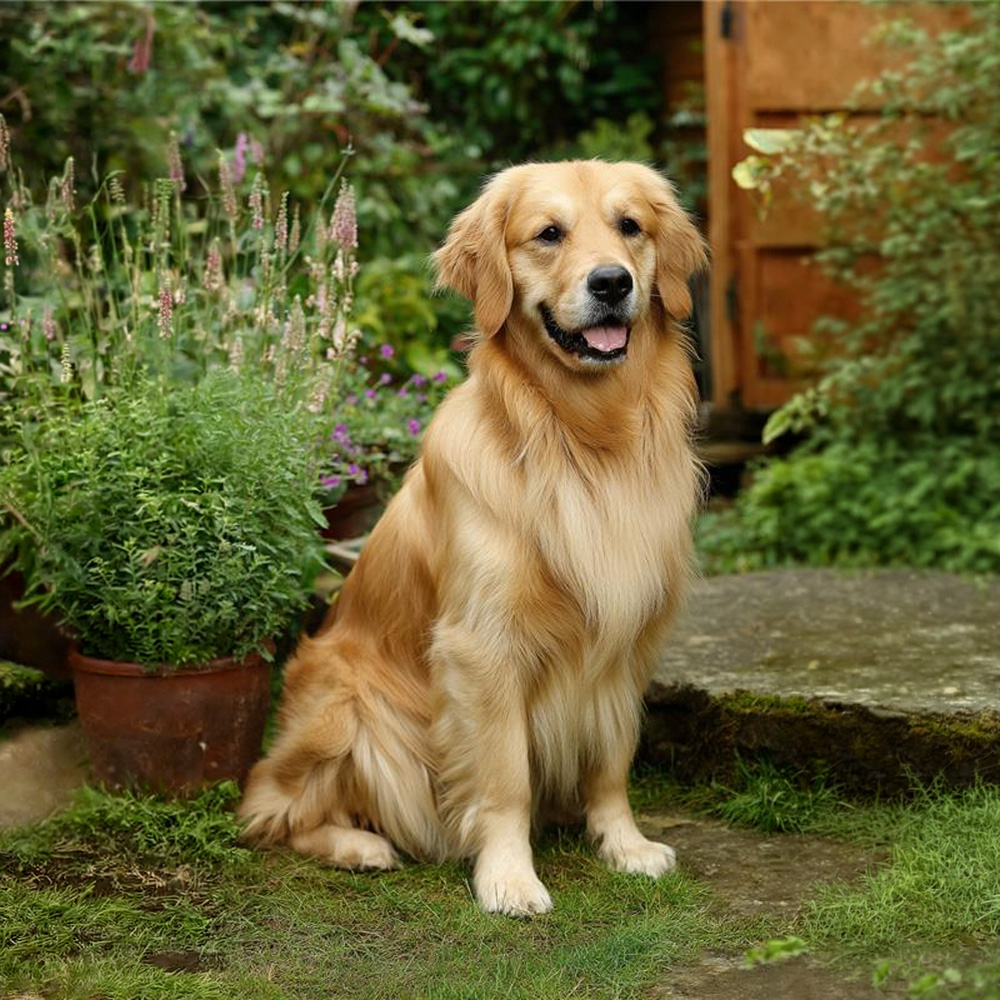
Golden Retrievers are known for their friendly nature, intelligence, affectionate personality, and family-friendly temperament. But like many large dog breeds, they can also face specific health challenges that pet parents should understand early.
From recurring skin infections and seasonal allergies to heat cycles, pregnancy care, and nutrition management, awareness can make a major difference. Understanding these issues early may help reduce complications, improve comfort, and support a healthier life. This breed is widely considered one of the best dog breeds for Indian homes due to its adaptable and loving nature.
This guide explains Golden Retriever health problems, including golden retriever skin infections, golden retriever heat cycles, golden retriever food charts, and golden retriever pregnancy time.
Golden Retriever Quick Facts
| Feature | Details |
|---|---|
| Breed Name | Golden Retriever |
| Breed Type | Large companion, sporting dog and family-friendly |
| Common Health Concerns | Skin infections, allergies, ear infections, obesity, joint problems |
| Skin Risk Factors | Dense coat, allergies, moisture, parasites, humidity |
| Heat Cycle Frequency | Usually around every 6–8 months |
| Pregnancy Time | Around 57–65 days, average about 63 days |
| Food Needs | Complete and balanced large-breed nutrition |
| Grooming Needs | Moderate to high |
| Exercise Needs | Moderate to high |
| Best Suited For | Active families, homes with space, pet parents who can manage grooming and exercise |
What Health Problems Are Common in Golden Retrievers?
Golden Retrievers are commonly affected by skin infections, allergies, obesity, ear infections, joint problems, hot spots, digestive sensitivity, and reproductive health concerns. Proper nutrition, grooming, parasite control, weight management, and regular animal clinic checkups can help manage these risks.
Common Golden Retriever Health Problems
| Health Problem | Why It Matters |
|---|---|
| Skin infections | Can cause itching, redness, odour, hair loss, and discomfort |
| Allergies | May trigger chronic itching, ear issues, and recurring skin flare-ups |
| Ear infections | Floppy ears can trap moisture and increase irritation risk |
| Obesity | Adds stress to joints, heart, mobility, and heat tolerance |
| Hip and elbow concerns | Can affect movement and long-term comfort |
| Hot spots | Painful inflamed skin areas that may spread quickly |
| Digestive sensitivity | May affect stool quality, appetite, and comfort |
| Reproductive concerns | Important during heat cycles, mating, pregnancy, and delivery |
Golden Retrievers are loving and active dogs, but some health concerns can worsen slowly if early signs are missed.
Golden Retriever Skin Infections: Causes and Symptoms
Golden Retriever skin infection problems are common because the breed has a dense coat, active lifestyle, and a tendency toward allergies. Skin issues in Golden Retrievers may include bacterial infections, yeast irritation, hot spots, allergic skin disease, and recurring itchiness.
Golden Retrievers can be prone to skin allergies and infections, and allergies may contribute to repeated itching, inflammation, and secondary infection.
Common Causes of Skin Infection in Golden Retrievers
Skin infections may develop because of:
- Moisture trapped in the coat
- Allergies
- Parasites such as fleas or ticks
- Poor skin barrier health
- Excessive scratching
- Frequent licking or chewing
- Humid weather
- Poor coat drying after baths or swimming
- Ear infections linked with allergy flare-ups
Long-coated dogs living in warm or humid Indian climates may need extra grooming and skin monitoring.
Signs of Skin Infection in Golden Retrievers
A Golden Retriever skin infection may start with mild itching and later become more visible or uncomfortable.
Common Symptoms Include:
- Constant itching
- Red or inflamed skin
- Hair loss
- Hot spots
- Scabs or crusting
- Bad odour from the skin
- Frequent licking or chewing
- Greasy coat texture
- Dandruff or flaky skin
- Moist patches under the coat
- Repeated ear irritation
Some dogs may also develop recurring ear infections along with skin issues, especially when allergies are involved.
Why Do Golden Retrievers Often Develop Skin Problems?
Golden Retrievers may develop skin problems due to a combination of genetics, coat type, allergies, environment, and lifestyle.
| Triggers | Possible Effects |
|---|---|
| Food sensitivity | Skin flare-ups, itching, or digestive changes |
| Environmental allergens | Itching, inflammation, and repeated scratching |
| Humidity and moisture | Bacterial or yeast growth |
| Fleas or ticks | Skin irritation and allergic reactions |
| Poor grooming hygiene | Coat matting and infection risk |
| Swimming without drying | Moisture trapped under the coat |
| Heat exposure | Hot spots and irritation may worsen |
Because Golden Retrievers have dense coats, early skin changes can sometimes be hidden. Regular coat checks are important.
How to Help Manage Golden Retriever Skin Infections
Skin infection treatment depends on the underlying cause. A recurring skin infection should not be treated only with home remedies because the actual trigger may be allergy, yeast, bacteria, parasites, or another health issue.
Professional Management May Include:
- Medicated shampoos
- Antibacterial or antifungal medicines
- Allergy management
- Flea and tick prevention
- Dietary adjustments
- Skin-supportive nutrition
- Ear checks
- Follow-up skin evaluation
Avoid using human skin creams, random oils, steroid creams, or home remedies without guidance from a qualified animal care professional. Some skin infections may look minor at first but worsen quickly if untreated.
Golden Retriever Skin Care Routine
| Care Area | Recommended Approach |
|---|---|
| Brushing | Brush several times a week to remove loose hair and dirt |
| Bathing | Use dog-safe shampoo based on coat and skin needs |
| Drying | Dry the coat properly after baths or swimming |
| Ear Care | Check ears regularly for odour, redness, or discharge |
| Parasite Control | Maintain flea and tick prevention |
| Skin Checks | Look for redness, hot spots, flakes, or hair loss |
| Nutrition | Support skin and coat with balanced food and healthy fats |
A good grooming routine can reduce moisture buildup and help pet parents notice problems earlier.
Golden Retriever Heat Cycle: What Owners Should Know
A Golden Retriever heat cycle refers to the reproductive cycle in female dogs. It is the period when an unspayed female dog becomes fertile and may be able to get pregnant.
Female dogs have estrous cycles, and the commonly used term “heat” usually refers to the proestrus and estrus stages. Cornell University explains that the dog estrous cycle includes four stages: proestrus, estrus, diestrus, and anestrus.
Most female Golden Retrievers experience their first heat cycle between 6–18 months of age, although timing can vary. After that, many dogs come into heat around every 6–8 months, but individual patterns can differ.
Stages of the Golden Retriever Heat Cycle
| Stage | What Happens |
|---|---|
| Proestrus | Keep an eye out for initial heat signs, like swelling and spotting. |
| Estrus | Fertile period; mating may occur |
| Diestrus | Hormones stabilise after heat |
| Anestrus | Resting phase between cycles |
The full cycle can last several weeks. Behaviour, appetite, discharge, and energy levels may vary from dog to dog.
Signs Your Golden Retriever Is in Heat
Common signs include:
- Swollen vulva
- Bloody discharge
- Increased urination
- Behavioural changes
- Restlessness
- Clinginess
- Increased attention from male dogs
- Temporary appetite changes
- More frequent cleaning or licking
Some dogs may become more anxious, more affectionate, or less interested in food during parts of the cycle.
How to Care for a Golden Retriever During Heat Cycle
During heat, supervision and hygiene are important.
Care Tips
- Keep female dogs supervised outdoors
- Avoid contact with unneutered male dogs
- Maintain hygiene and cleanliness
- Use dog heat diapers if needed
- Avoid stressful activities
- Monitor appetite and energy
- Keep walks controlled and on leash
- Avoid dog parks during the fertile period
Heat cycles can attract unwanted mating attention during walks, so extra caution is important.
When Heat Cycle Signs Need Attention
Speak to a qualified animal care professional if you notice:
- Very heavy bleeding
- Foul-smelling discharge
- Severe lethargy
- Fever-like symptoms
- Loss of appetite for more than a short period
- Pain or discomfort
- Swollen abdomen
- Discharge after the heat cycle ends
- Behaviour that seems very unusual
These signs may need medical evaluation and should not be ignored.
Golden Retriever Pregnancy Time: How Long Are They Pregnant?
Golden Retriever pregnancy time is usually around 57–65 days, with an average of about 63 days after breeding. VCA Animal Hospitals notes that pregnancy in dogs normally ranges from 57 to 65 days, averaging 63 days.
Pregnancy timing may vary slightly based on ovulation timing, litter size, individual health, and breeding date accuracy.
If breeding is planned, recording mating dates and getting professional confirmation can help estimate the expected delivery window more accurately.
Signs of Pregnancy in Golden Retrievers
Early signs may be subtle. Some signs appear later as pregnancy progresses.
Possible Pregnancy Signs Include:
- Reduced activity
- Increased appetite later in pregnancy
- Enlarged nipples
- Gradual weight gain
- Behavioural changes
- Nesting behaviour near delivery
- Enlarged abdomen later in pregnancy
- Increased need for rest
Pregnancy should be confirmed by a qualified animal care professional through appropriate examination or imaging.
Golden Retriever Pregnancy Timeline
| Stage | Approximate Timing | What May Happen |
|---|---|---|
| Early Pregnancy | Weeks 1–3 | Subtle changes; symptoms may be minimal |
| Mid Pregnancy | Weeks 4–6 | Appetite and body changes may become clearer |
| Late Pregnancy | Weeks 7–9 | Weight gain, nesting, and rest needs increase |
| Delivery Window | Around day 57–65 | Whelping may occur; monitoring is important |
Pregnant dogs need calm care, safe movement, and nutrition suited to their stage.
Caring for a Pregnant Golden Retriever
Pregnant Golden Retrievers need careful nutritional and health support. Overfeeding early in pregnancy can lead to unnecessary weight gain, while underfeeding later may affect both the mother and puppies.
Pregnancy Care Guide
| Care Area | Why It Matters |
|---|---|
| Balanced nutrition | Supports mother and puppies |
| Weight monitoring | Helps prevent excess strain |
| Professional checkups | Tracks pregnancy health and puppy development |
| Safe exercise | Maintains fitness without stress |
| Clean resting area | Supports comfort and hygiene |
| Delivery preparation | Helps reduce panic during whelping |
| Hydration | Supports overall health and comfort |
Avoid giving supplements, medicines, or home remedies during pregnancy unless guided by a qualified animal care professional.
Golden Retriever Food Chart and Nutrition Guidance
A Golden Retriever food chart helps pet parents understand feeding frequency and nutritional focus by life stage. Actual food quantity depends on age, weight, activity level, body condition, food type, health status, and reproductive stage.
Golden Retriever Food Chart
| Life Stage | Feeding Frequency | Key Nutrition Focus |
|---|---|---|
| Puppy | 3–4 meals/day | Growth, bone development, digestion |
| Adult | 2 meals/day | Energy balance, skin, coat, muscle, weight control |
| Senior | 2 smaller meals/day | Joint support, digestion, healthy body condition |
| Pregnant | Guided feeding plan | Mother and puppy development |
| Lactating | Guided feeding plan | Higher energy and nutrient demand |
This chart is a general guide, not a fixed feeding prescription. Food portions should be adjusted based on body condition and professional guidance.
What Should a Golden Retriever Eat?
Golden Retrievers benefit from complete and balanced food that supports skin, coat, joints, digestion, immunity, and weight control.
Nutritional Priorities Include:
- High-quality protein
- Omega fatty acids for skin and coat
- Digestible ingredients
- Controlled calories
- Joint-support nutrients
- Vitamins and minerals for immunity
- Fibre for digestive support
- Proper calcium and phosphorus balance in puppies
Because Golden Retrievers are prone to weight gain, measured meals are better than free-feeding.
Skin and Coat Nutrition for Golden Retrievers
Nutrition plays an important role in skin and coat health, especially for dogs prone to itching, allergies, or dull coat quality.
| Nutrient Focus | Why It Helps |
|---|---|
| Protein | Supports skin repair and muscle maintenance |
| Omega fatty acids | Supports skin barrier and coat quality |
| Zinc | Supports skin health |
| Vitamin E | Supports antioxidant protection |
| Digestible ingredients | May support dogs with sensitive digestion |
| Controlled calories | Helps prevent obesity-related stress |
If a food sensitivity is suspected, avoid changing diets repeatedly without guidance. A proper diet trial may be needed in some cases.
Obesity: A Common but Overlooked Golden Retriever Health Problem
Golden Retrievers can gain weight easily if calorie intake exceeds activity levels.
Obesity Can Increase Risk Of:
- Joint stress
- Arthritis
- Heat intolerance
- Reduced mobility
- Heart strain
- Lower stamina
- Breathing discomfort
- Lower activity levels
Maintaining a healthy body condition is one of the most important long-term health strategies for this breed.
How Much Exercise Does a Golden Retriever Need?
Golden Retrievers are energetic dogs that require regular physical and mental stimulation.
Most Adult Golden Retrievers Need:
- Daily walks
- Structured play
- Retrieval activities
- Swimming where safe
- Mental enrichment
- Training games
- Controlled exercise during hot weather
Puppies should avoid excessive jumping, forced running, or over-exercise while joints are still developing.
Golden Retriever Grooming and Hygiene Checklist
| Grooming Area | Recommended Care |
|---|---|
| Coat brushing | Several times weekly |
| Bathing | Based on skin condition and activity level |
| Ear checks | Weekly checks for odour, wax, or redness |
| Paw checks | After walks, especially in humid or muddy areas |
| Skin inspection | Look under dense coat for redness or hot spots |
| Nail trimming | As needed for comfort and mobility |
| Drying after water play | Important to reduce moisture buildup |
Consistent grooming is especially important for Golden Retrievers in humid climates.
When Should You Visit an Animal Clinic?
Seek professional advice if your Golden Retriever shows:
- Persistent itching
- Hair loss
- Repeated ear infections
- Bad skin odour
- Hot spots
- Sudden aggression or lethargy
- Abnormal discharge
- Difficulty walking
- Appetite changes
- Pregnancy concerns
- Vomiting or digestive issues
- Breathing difficulty
- Severe weakness
Early attention often prevents more serious complications.
Key Takeaways
- Golden Retriever health problems commonly include skin infections, allergies, obesity, ear infections, joint concerns, and reproductive health issues.
- Golden Retriever skin infection may be triggered by allergies, moisture, parasites, poor coat drying, or poor skin barrier health.
- Female Golden Retrievers usually experience heat cycles around every 6–8 months, though timing varies.
- Golden Retriever pregnancy time is usually around 57–65 days, with an average of about 63 days.
- A Golden Retriever food chart should be used as a general feeding guide, not a fixed rule.
- Complete and balanced nutrition supports skin health, immunity, joints, pregnancy, and weight control.
- Grooming, exercise, hygiene, weight control, and regular animal clinic checkups support long-term wellbeing.
Frequently Asked Questions
What are common Golden Retriever health problems?
Common Golden Retriever health problems include skin infections, allergies, ear infections, obesity, hip and elbow concerns, hot spots, digestive sensitivity, and reproductive health concerns.
Why does my Golden Retriever keep getting skin infections?
Recurring skin infections may be linked to allergies, moisture trapped in the coat, parasites, poor grooming hygiene, yeast or bacterial overgrowth, or an underlying skin condition.
What are signs of Golden Retriever skin infection?
Signs include constant itching, red skin, hair loss, hot spots, scabs, bad odour, greasy coat texture, frequent licking, chewing, and repeated ear irritation.
How can I improve my Golden Retriever’s skin health?
Skin health may improve through regular grooming, proper drying after baths or swimming, parasite prevention, balanced nutrition, allergy management, and professional guidance when symptoms persist.
How long is a Golden Retriever pregnant?
Golden Retriever pregnancy usually lasts around 57–65 days, with an average of about 63 days after breeding. Timing may vary depending on ovulation, litter size, and individual health.
How often do Golden Retrievers go into heat?
Most female Golden Retrievers go into heat about every 6–8 months, but cycle timing can vary between individual dogs.
What are the stages of the Golden Retriever heat cycle?
The dog heat cycle has four stages: proestrus, estrus, diestrus, and anestrus. Proestrus and estrus are commonly referred to as “being in heat.”
What food is best for Golden Retrievers?
Golden Retrievers benefit from complete and balanced nutrition with quality protein, controlled calories, omega fatty acids, digestible ingredients, and joint-support nutrients.
What is a Golden Retriever food chart?
A Golden Retriever food chart is a feeding guide that shows meal frequency and nutritional focus by life stage, such as puppy, adult, senior, pregnant, or lactating.
Are Golden Retrievers prone to obesity?
Yes. Golden Retrievers commonly gain weight when calorie intake is not balanced with activity. Portion control, measured meals, and regular exercise are important.
Can Golden Retrievers develop allergies?
Yes. Golden Retrievers may develop environmental, flea-related, or food-related allergies, which can contribute to itching, skin irritation, and ear problems.
When should I seek help for a pregnant Golden Retriever?
Seek professional help if there is abnormal discharge, severe weakness, loss of appetite, visible distress, prolonged labour, or any concern about the mother or puppies.
Final Thoughts
Golden Retrievers are affectionate, intelligent, and deeply loved family dogs, but they need consistent care to stay healthy.
Skin infections, allergies, obesity, ear problems, heat cycles, pregnancy, and nutrition all require early awareness. The good news is that many risks can be managed better with regular grooming, balanced nutrition, healthy weight control, exercise, hygiene, and timely professional care.
For pet parents, the most important habit is simple: observe changes early. If your Golden Retriever is itching more than usual, gaining weight, showing unusual discharge, struggling with movement, or going through pregnancy, do not wait for the issue to become serious. Early care can make a major difference in long-term comfort and wellbeing.
Reviewed By: Dr. Nikhil Mehta
Editorial Review: Drools Pet Nutrition Team
Disclamer:
This article is for informational and educational purposes only. It should not replace diagnosis, treatment, pregnancy monitoring, or diet planning from a qualified animal care professional. Individual dogs may vary in health, behaviour, nutritional needs, and reproductive patterns.